
Does a Hot Water Pressure Booster Pay Off?
Last Updated: November 12, 2026
Quick Summary
A hot water pressure booster is a pump that lifts pressure in the hot water supply, so taps and showers get a steadier, stronger flow. It only pays off when weak pressure comes from genuinely low supply force, not from a faulty regulator, blocked pipes or a restricted showerhead.
- A booster increases pressure in hot water pipework but does not produce more hot water.
- Compare hot and cold flow at the same tap to find where the restriction sits.
- A booster suits consistently low supply where the rest of the plumbing is sound.
- Pumps installed over a faulty regulator or blocked pipe can hide damage and may void heater warranties.
- Get an itemised written quote covering the pump, installation, plumbing work and commissioning.
Table of Contents
- Low Hot Water Pressure Causes and When a Booster Helps
- Hot Water Pressure Pump Installation Cost and Plumbing Standards for Water Pumps NSW
- Frequently Asked Questions
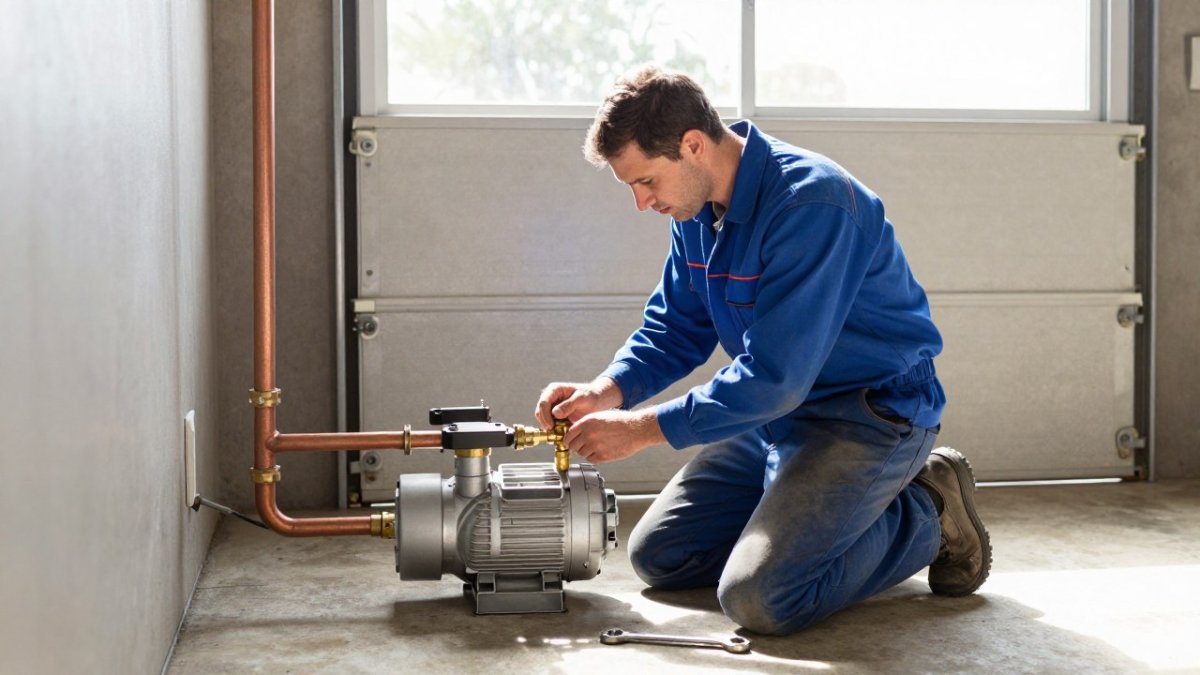
Weak shower pressure and slow hot water taps are common complaints across the Northern Rivers. A hot water pressure booster is a pump installed to lift the pressure in the hot water supply, so taps and showers deliver a steadier, stronger flow. Whether it is worth the cost depends on what is causing the weak pressure.
A booster does one job: it increases the pressure of water moving through your hot water pipework. It does not make more hot water, and it will not fix a faulty heater element or thermostat.
Low Hot Water Pressure Causes and When a Booster Helps
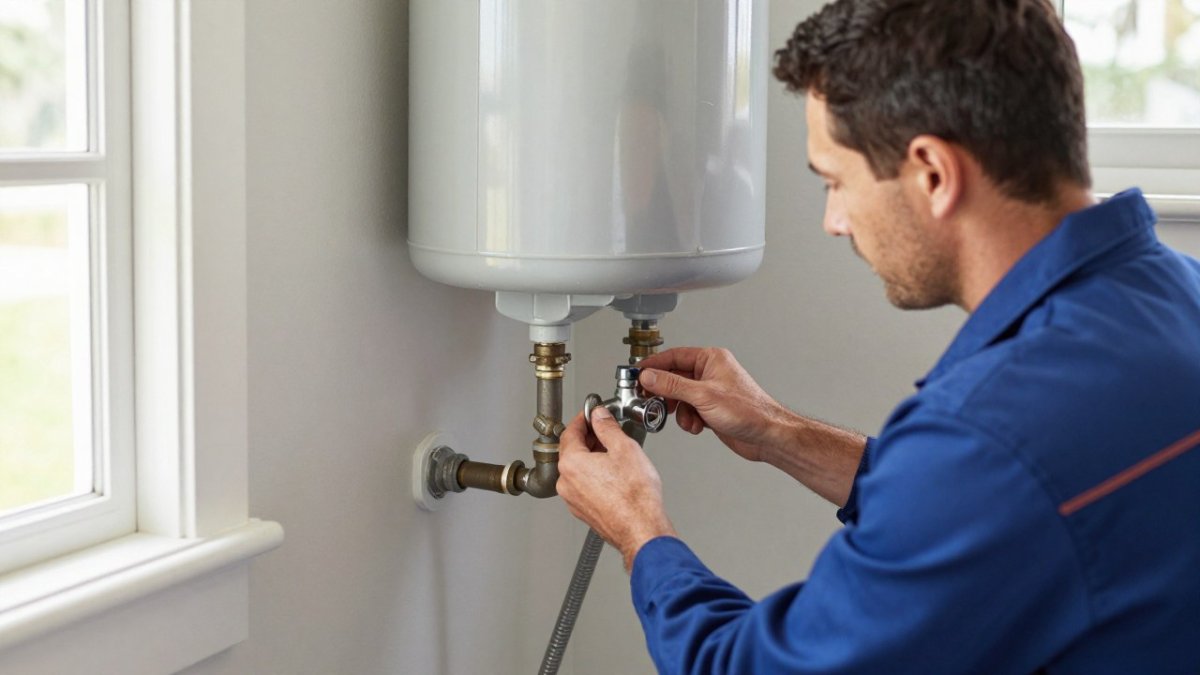
A booster is only the right answer when the supply genuinely lacks force at the outlet. Several other faults produce the same symptom, and a booster will not cure them.
Common causes include:
- A faulty or incorrectly set pressure regulating valve. When one drifts out of adjustment or fails, pressure can drop across the whole home.
- Blocked or scaled pipework. Mineral scale, corrosion product and debris narrow the bore of copper and galvanised pipes.
- A restricted showerhead or tap aerator. Flow restrictors, clogged aerators and scale-blocked shower roses can cut flow dramatically.
- Low supply pressure from the mains or a tank-fed system. Properties at the end of a long main, on high ground, or fed from a gravity tank may never have delivered strong pressure.
- A partially closed isolation valve or a failing flexible connector. A half-shut gate valve or a collapsed liner inside a braided flexi hose can throttle flow.
How to narrow it down before calling a plumber. Compare hot and cold flow at the same tap: if both are weak, the cause is upstream of the heater; if cold is strong and hot is weak, the restriction is on the hot side. Then check a second outlet on a different branch.
A booster makes most sense where the supply is consistently low, the rest of the plumbing is sound, and the shortfall shows up at multiple outlets.
Watch out: a pump installed to mask a faulty regulator or blocked pipe will hide the fault while the damage continues, and it can void the warranty on some heaters if the inlet pressure exceeds the manufacturer's stated limit.
Several faults produce weak hot water pressure, and a booster only cures one of them. The article lists the common causes and how to narrow them down.
| Cause | Symptom to check | Booster helps? |
|---|---|---|
| Faulty pressure regulating valve | Pressure drops across the whole home | No, fix the valve first |
| Blocked or scaled pipework | Narrowed bore in copper or galvanised pipes | No, clear the pipes |
| Restricted showerhead or aerator | Flow cut at one outlet | No, clean or replace it |
| Low supply pressure | Weak at multiple outlets, consistently | Yes, where plumbing is sound |
| Partly closed isolation valve | Throttled flow from one branch | No, open or replace the valve |
Hot Water Pressure Pump Installation Cost and Plumbing Standards for Water Pumps NSW
Installation cost varies with the pump, its location and the pipework involved. Pricing depends on the type of pump, the state of your existing pipework and access to the plumbing, so request a written quote. If you're weighing this up and already have an LPG continuous flow unit, you can read about LPG continuous flow hot water installation and service options.
A quote typically itemises these parts:
- The pump itself. Small inline boosters for a single outlet sit at the lower end; whole-of-home units with a pressure tank, variable-speed motor and dry-run protection sit at the upper end.
- Installation labour and fittings. Mounting, isolation valves, a non-return valve, flexible connectors, and electrical connection by a licensed electrician where the pump is mains-powered.
- Plumbing modifications. Undersized or scaled pipework, or a dedicated return or bypass, grows the pipework component.
- Compliance and commissioning. Pressure testing, setting the outlet pressure to suit the fixtures, and confirming the installation meets the relevant standard.
The honest comparison is between installed quotes that itemise these four components, not between pump retail prices.
Licensing requirements. Work on the heated water side of a pressurised hot water system should be carried out by a licensed plumber, and a booster pump is not a do-it-yourself addition to that system. Check current requirements with the relevant NSW authority.
Energy use and running cost. A flow-activated booster runs only when there is demand, so the fear of a pump running 24 hours a day is usually unfounded in a correctly specified system. For most households the pump's share of the power bill is small compared with the hot water system itself.
Maintenance and longevity. Boosters are low-maintenance but not maintenance-free. In hard-water areas a strainer check and descale every year or two is sensible, and pressure tanks need their air charge recharged over time.
Get your pressure problem diagnosed before you commit to a pump. You can book a hot water repair and fault diagnosis to find out whether the cause is the regulator, the pipework or the supply itself. If the pressure fault is in the pipes themselves, our guide to replacing hot water pipes explains the likely costs and what to expect.
Frequently Asked Questions
How does a hot water pressure booster work?
A hot water pressure booster is a pump installed on the hot water line that raises the pressure of water leaving the cylinder or heater. It draws water from the system and pushes it through the pipes at a higher, steadier pressure, which improves flow at showerheads and taps. Before fitting one, a licensed plumber should confirm the cause of the low pressure, because a faulty pressure regulator can produce the same symptoms and is far cheaper to correct.
Can I install a hot water pressure booster myself?
Installing a booster pump involves cutting into hot water pipework, making electrical connections and meeting plumbing requirements, so it should be done by a licensed plumber in NSW. Work on hot water systems that is not carried out by a licensed person can cause safety problems. Northern Rivers Hot Water can assess your system and provide a quote.
What should I expect to pay for a hot water pressure pump installation?
Pricing depends on the type of pump, the state of your existing pipework, access to the plumbing and whether any other repairs are needed. Pricing for this work depends on the factors above, so the most reliable figure is the one in a quote. Contact Northern Rivers Hot Water for a quote; there is no call-out fee for quotes.

Need help with your hot water system?
Call Northern Rivers Hot Water for a free, no-obligation quote. We service Lismore, Ballina, Byron Bay, Casino and all surrounding areas.
0472 580 441