
Replacing Hot Water Pipes: Costs, Causes and What to Expect
Last Updated: November 8, 2026
Quick Summary
Replacing hot water pipes typically costs a few hundred to a few thousand dollars for a partial job, while a full home repipe usually runs $4,000 to $15,000. Price depends on pipe material, length, how easily walls and floors can be accessed, and whether making good is included.
- One 2026 guide puts the national average pipe replacement at $1,246, with most homeowners paying $372 to $2,120.
- Whole-home repiping for a single-family house is estimated at $4,000 to $15,000, with a national average near $7,500.
- Ask quotes to name the pipe material, approximate length, areas to be opened and whether making good is included.
- A targeted repair suits an isolated leak, while replacement makes sense when corrosion or repeated leaks appear across the system.
- Separate each quote into materials, labour and reinstatement so you can compare like with like.
Table of Contents
- What Replacing Hot Water Pipes Actually Involves
- How Much Does It Cost to Replace Hot Water Pipes?
- Cost to Repipe a House Compared With Partial Replacement
- Hot Water Pipe Leak Repair Cost Versus Full Replacement
- How Long Does Pipe Replacement Take and What Disruption to Expect
- Booking a Hot Water Pipe Quote Without Surprises
- Frequently Asked Questions
Replacing hot water pipes is one of the bigger plumbing jobs a homeowner can face, and the cost to replace hot water pipes in a home varies widely. The questions homeowners ask most are about price, disruption and whether a leak means the whole run needs replacing. This guide explains what drives the cost so you can read a quote with confidence.
Most hot water pipe work is either a targeted repair or a full repipe. The right choice depends on pipe material, how much of the pipework is affected, and how easily the pipes can be reached. Published cost figures for pipe work are wide, so treat any single number with caution.
What Replacing Hot Water Pipes Actually Involves
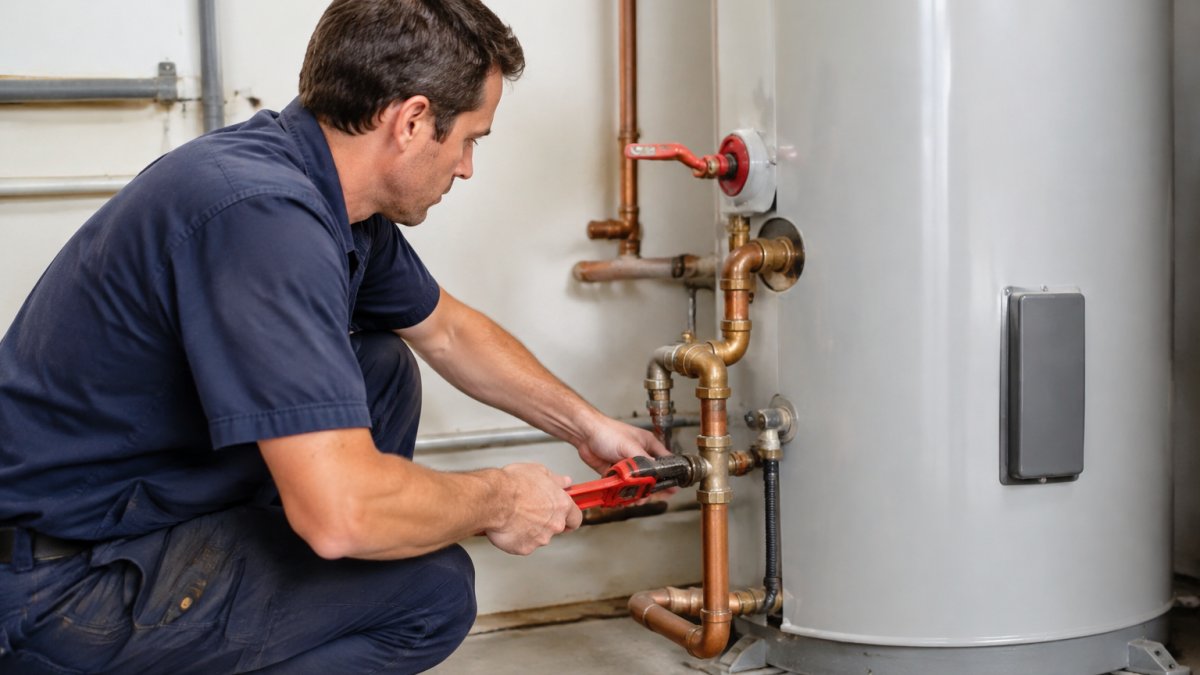
Replacing hot water pipes means removing the affected lengths of supply pipe and installing new ones, then testing for leaks and restoring the surrounding area. It is different from replacing the hot water unit itself. The heater can stay in place while the pipework feeding it, or the hot and cold runs throughout the house, are replaced.
A typical job covers the following:
- Isolating the water supply and draining the affected lines
- Cutting out the old pipe and fitting new pipe with proper fittings
- Pressure testing the new work before it is closed in
- Patching walls, floors or ceilings where access was needed
Because the job often involves cutting into walls and floors, the scope can grow once the old pipes are exposed. Ask your plumber what is included before work starts.
How Much Does It Cost to Replace Hot Water Pipes?
Published benchmarks give a broad picture, but they are not a quote. One 2026 cost guide puts the national average for a pipe replacement at $1,246, with most homeowners paying between $372 and $2,120. Another reports a national average of $845 for a single run of supply pipe. Whole-home repiping costs far more: a 2026 estimate puts most single-family repipes between $4,000 and $15,000, with a national average near $7,500. These sources are general, do not confirm hot-water-only figures, and do not give local pricing.
Because prices depend heavily on the job, use the cost drivers below to build a realistic picture before you request a quote.
Pipe Material: Copper, PEX and Their Cost Differences
Pipe material affects both the materials bill and the labour time. Copper has long been the traditional choice for hot water supply. It is durable and handles heat well, but it is more costly to buy and takes longer to solder. PEX, a flexible plastic pipe, is usually cheaper in materials and quicker to install because it needs fewer joints and can be run through tighter spaces.
Neither material is automatically better for every home. A plumber will recommend the option that suits your pipe layout, your budget and local code requirements. Ask for the material to be named on your quote, along with the approximate length and the number of fittings.
Length, Access and Wall Work
Length is the most obvious cost driver, but access often matters more. Pipes run under concrete slabs, inside brick walls or through roof spaces each take more time than exposed pipework in a laundry. Every wall that must be opened adds labour and repair work, including plaster, tiling or flooring. Ask whether the quote includes making good afterwards.
A practical way to read a quote is to separate it into three lines: materials (pipe, fittings, insulation), labour (hours and access difficulty), and reinstatement (plaster, paint, tiles, flooring). If a quote bundles everything into one figure, ask for the split so you can compare like with like.
What a Typical Quote Includes
A clear quote should name the pipe material, the approximate length, the areas to be opened, whether making good is included, and what happens if the job uncovers additional damage. It should also state whether pressure testing, insulation and disposal of the old pipe are included. Watch out: a low headline price that excludes wall repairs or disposal can end up costing more than a higher quote that includes them. Our guide to avoiding hidden costs in plumbing quotes shows what to check before you accept a price.
The figures below are the published benchmarks the article cites, which are general and not a quote for your home.
| Benchmark | Figure | Note |
|---|---|---|
| National average, pipe replacement (2026 guide) | $1,246 | Most homeowners pay $372 to $2,120 |
| National average, single supply pipe run | $845 | Does not confirm hot-water-only pricing |
| Typical single-family repipe (2026 estimate) | $4,000 to $15,000 | National average near $7,500 |
Figure
Cost to Repipe a House Compared With Partial Replacement
A partial replacement fixes the section that has failed or is failing. It suits a single leak, a corroded section or one room with poor pressure. A full repipe replaces the supply pipework throughout the home. It costs more upfront but can make sense if the pipes are old, have multiple leaks, or the home is being renovated and walls are already open.
As a rule, if the pipes are deteriorating in several places, a full repipe can cost less over time than repeated repairs. If the problem is isolated, a targeted fix is usually the better value.
Hot Water Pipe Leak Repair Cost Versus Full Replacement
A leak does not always mean a full replacement. A small, accessible leak can often be repaired for far less than a repipe. When leaks keep appearing, or the pipe is corroded along its length, replacement becomes the more sensible option.
How a Plumber Finds the Source
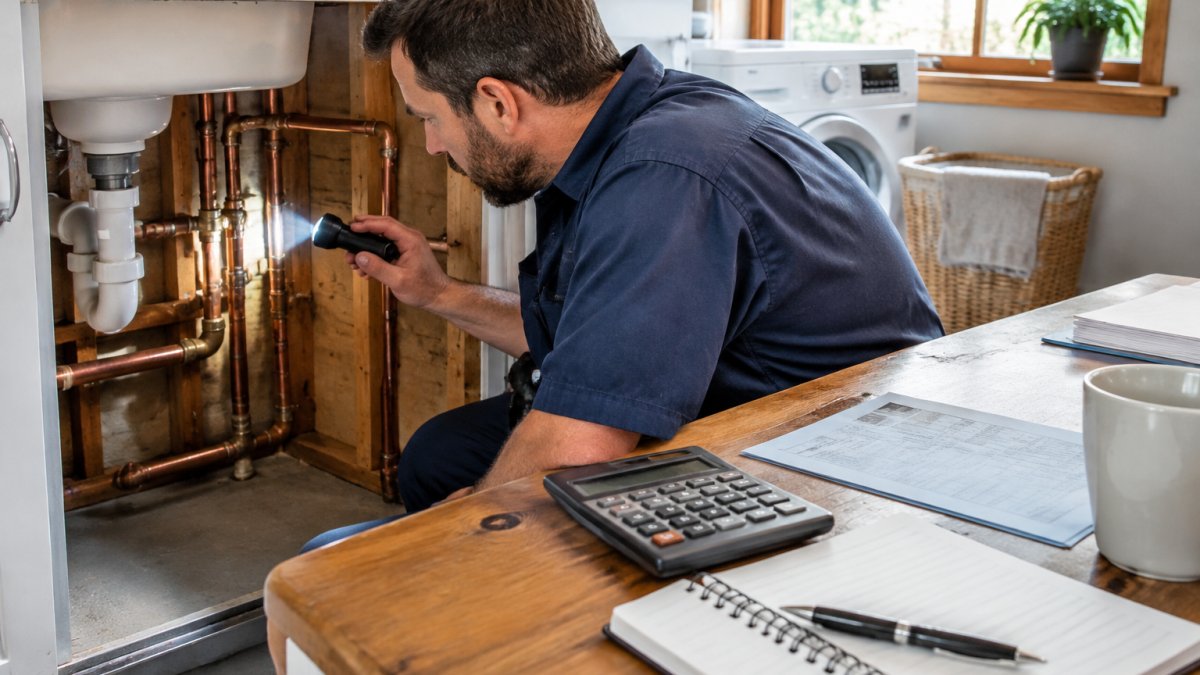
Diagnosis usually starts with isolating the hot and cold lines and checking pressure at fixtures. A plumber may use a moisture meter, thermal imaging or a listening device to trace the leak without opening every wall. In slab-on-ground homes, a leak detection specialist can often pinpoint the break before any concrete is cut. The goal is to confirm whether the leak is a single joint, a pinhole in one section, or a sign of widespread corrosion.
When a Repair Is Reasonable
A targeted repair is usually the better value when the leak is isolated, the pipe around it is sound, and the section is accessible. Common examples include a failed joint under a sink, a pinhole in an exposed run in a laundry, or a single corroded section in a roof space. Ask the plumber to show you the failed section and to confirm the condition of the surrounding pipe.
When Replacement Is the Better Choice
Replacement becomes the more sensible option when the pipe is corroded along its length, when leaks keep appearing in different spots over a short period, or when access is so difficult that a second repair would mean opening the same wall again. Watch out: repairing one leak on a run that is already failing elsewhere can lead to repeat call-outs and higher total cost.
Watch for these signs that replacement may be the better choice:
- Repeated leaks in different spots over a short period
- Discoloured or rusty water that does not clear
- Low pressure across several fixtures
- Pipes that are visibly corroded or show scale build-up
A licensed plumber can inspect the system and explain whether a repair is enough. Get the options priced side by side, and ask each quote to state what is excluded so you can compare the true cost of repair against the true cost of replacement.
How Long Does Pipe Replacement Take and What Disruption to Expect
Timing depends on the scope. A single repair may take a few hours. A partial replacement often takes one to two days, while a full repipe of a home can take several days, depending on access and how much wall and floor work is needed.
Expect some disruption. Water may be off for periods during the work, and you may need to plan around bathrooms and kitchens. Ask your plumber to walk you through the expected steps and how long each area will be out of use.
Booking a Hot Water Pipe Quote Without Surprises
A clear quote protects you from unexpected costs. Before you accept, check that it lists the pipe material, the approximate length, the areas to be opened and whether making good is included. Ask what happens if the job uncovers additional damage.
We offer quotes with no call-out fee, and we explain the scope before any work begins. You can book a hot water installation quote in Tweed Heads for a licensed assessment of your pipes. If the leak is urgent, read our same-day hot water repair steps while you wait for a plumber to arrive.
Replacing hot water pipes is a significant job, but a clear scope and a written quote make the cost easier to judge. Contact Northern Rivers Hot Water for a licensed inspection and a written quote. Call us to get started.
Frequently Asked Questions
How much does it cost to replace hot water pipes in a home?
Costs vary with pipe length, material, access and how much wall or floor work is needed. Because the figure depends on site conditions, the most reliable number comes from an on-site inspection and a written quote. Northern Rivers Hot Water provides quotes with no call-out fee, so you can see the scope before any work begins.
Is it cheaper to repair or replace hot water pipes?
A single leak at an accessible joint is usually cheaper to repair than to replace. When pipes are corroded in several places, or when repairs keep recurring, replacing the affected run often costs less over time than repeated call-outs. The deciding factors are the pipe age and material, how many leaks have occurred, and how hard the pipework is to reach. A plumber can inspect the pipes and recommend which option makes sense for your property.
How long does it take to replace hot water pipes?
A short, accessible hot water run can often be replaced in a few hours. Whole-house repiping takes longer than a short run, depending on the number of bathrooms and the amount of wall and ceiling access needed. Ask your plumber for a schedule as part of the quote so you know when water will be off and when access will be restored.
What are the signs that hot water pipes need replacing?
Common signs include recurring leaks, discoloured or rusty water from the hot tap, reduced water pressure, banging noises when hot water runs, and damp patches on walls or ceilings near pipe runs. Older galvanised or heavily corroded copper pipework is more likely to need replacing. If you notice any of these, have a licensed plumber check the pipes before a small problem becomes water damage.

Need help with your hot water system?
Call Northern Rivers Hot Water for a free, no-obligation quote. We service Lismore, Ballina, Byron Bay, Casino and all surrounding areas.
0472 580 441