
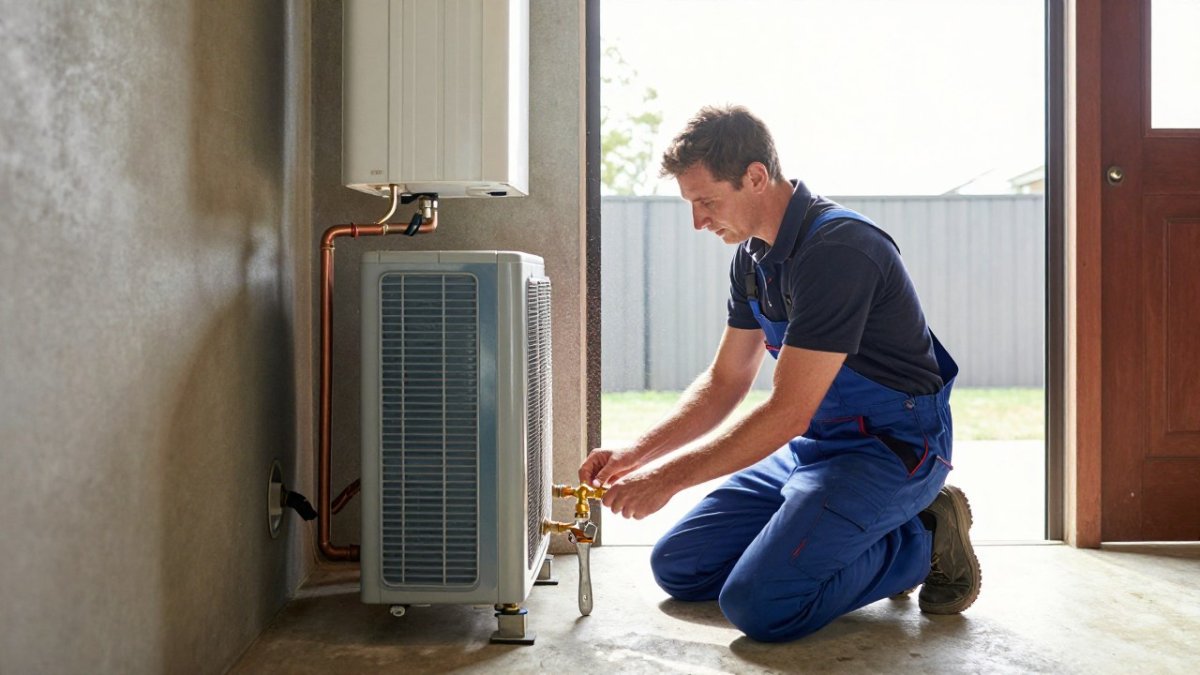
3 Ways to Lower Hot Water Energy Use at Home
Last Updated: November 10, 2026
Quick Summary
You can lower hot water energy use by turning down the thermostat, fitting a water-efficient showerhead, and insulating pipes and the storage tank. Lowering a water heater by roughly 5°C can cut energy use by up to 5%, though storage tanks should stay at 60°C.
- Every degree you set a water heater back saves around 1% in running costs.
- Set a storage hot water system to 60°C and never drop it below that.
- A tempering valve lets taps deliver safer water while the tank stays at 60°C.
- Skip the tank jacket on gas units because they need ventilation.
- Washing in cold water removes the heating load from every laundry cycle.
Table of Contents
- 1. Turn Down the Hot Water System Temperature Setting
- 2. Fit a Water-Efficient Showerhead and Shower Smarter
- 3. Insulate Hot Water Pipes and the Storage Tank
- Heat Pump Hot Water System Energy Efficiency: The Biggest Upgrade
- Wash in Cold Water and Time Your Hot Water Use
- Maintenance, Smart Controls and System Sizing
- Book a Hot Water Efficiency Check
- Frequently Asked Questions
1. Turn Down the Hot Water System Temperature Setting
Hot water energy is one of the biggest running costs in any home, and the thermostat is where most hot water energy is wasted. The good news is that this is the cheapest fix on the list.
According to energy efficiency guidance from NH Saves, lowering a water heater by roughly 5°C can cut energy use by up to 5%. Every degree you set back saves around 1% in running costs (PowerHouse TV efficiency tips).
What Temperature Should a Hot Water System Be Set To?
Set a storage hot water system to 60°C.
Storage Tanks, Bacteria Growth and the 60°C Rule
The 60°C rule exists for a reason. Water sitting in a storage tank below that temperature can allow bacteria to multiply, particularly in older tanks with sediment build-up. If you have young children or elderly residents, a licensed plumber can fit a tempering valve so the taps deliver water at a safer temperature while the tank stays at 60°C. Never drop a storage tank below 60°C to save a few dollars.
Here is how thermostat setbacks translate into savings, and the safety limit to respect.
| Setting or change | Effect | Note |
|---|---|---|
| Lower heater by roughly 5°C | Cuts energy use by up to 5% | Cheapest fix on the list |
| Every degree set back | Saves around 1% in running costs | Savings add up across a year |
| Storage hot water system | Set to 60°C | Never drop a storage tank below 60°C |
| Tempering valve | Taps deliver safer temperature | Tank stays at 60°C; fitted by licensed plumber |
2. Fit a Water-Efficient Showerhead and Shower Smarter
The second lever is the shower. A water-efficient showerhead cuts the volume of hot water you draw, which means less energy spent heating it. A water-efficient showerhead reduces flow while keeping a decent spray. Pricing depends on the model and installation, so check current prices on our website or request a quote.
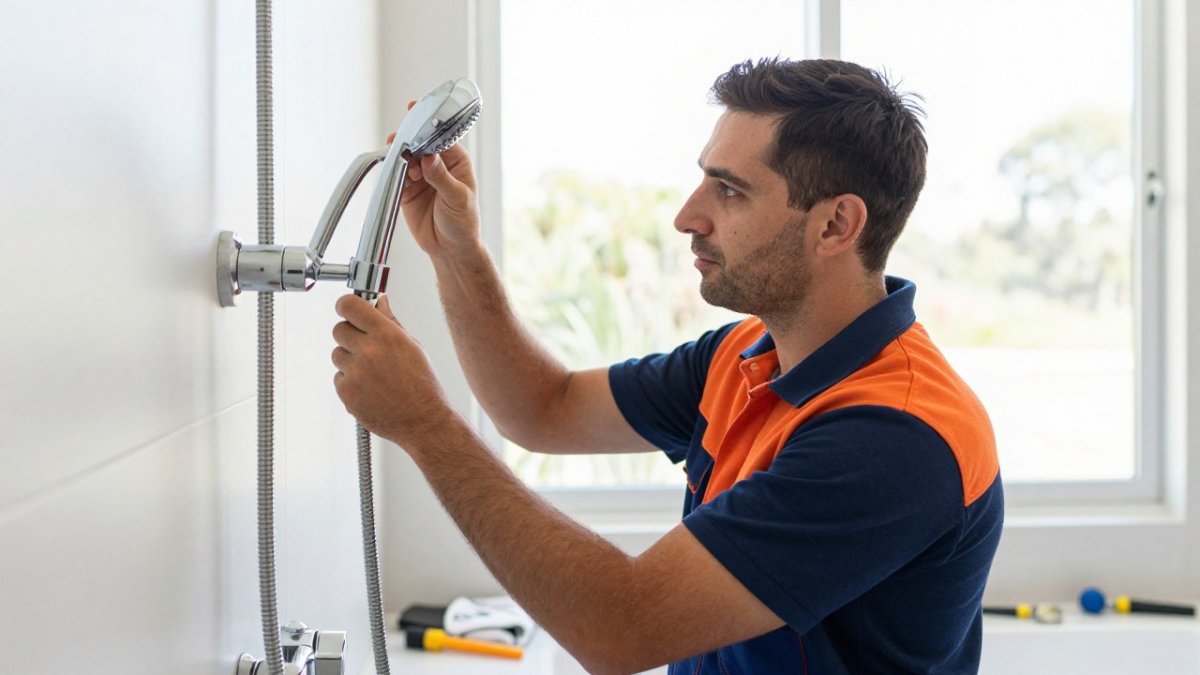
How WELS Stars Translate to Litres and Dollars
The WELS scheme rates showerheads from 1 to 6 stars, and the label states the flow in litres per minute. The saving comes from the hot water you no longer heat, and the exact figure depends on your tariff and how long people actually shower.
Flow Rate, Water Pressure and Temperature
Flow rate and temperature interact in ways most guides miss. Drop the flow too far on a low-pressure system and the shower feels weak, so people compensate by turning the temperature up. That wastes the savings you just bought. Check your water pressure before choosing a showerhead, and if the flow feels poor, look at the strainer and pipework rather than cranking the heat. A shower timer or a simple shut-off valve keeps showers short without a fight.
The mechanism is worth understanding: a showerhead restricts flow, but the hot and cold lines still arrive at the mixer at their set pressures. If your mains pressure is low, a high-star restrictor can starve the outlet and make the temperature unstable, the classic sign is a shower that swings hot and cold when another tap runs. In that case, a pressure-limiting valve or a showerhead with a wider spray pattern is a better fix than turning up the thermostat. On high-pressure systems the opposite risk applies: too much flow at high temperature simply sends more hot water down the drain. Matching the showerhead to the measured pressure, rather than guessing, is the step most guides skip.
3. Insulate Hot Water Pipes and the Storage Tank
Heat leaks out of exposed pipes and uninsulated tanks before the water ever reaches your tap. Foam pipe insulation tubes wrap around the lines running from the heater, and tank jackets reduce standby heat loss on storage systems. Check current prices on our website or request a quote.
This is one of the few jobs most homeowners can do themselves. Skip the jacket on gas units, though: they need ventilation, and wrapping one is a genuine safety risk.
Heat Pump Hot Water System Energy Efficiency: The Biggest Upgrade
If your electric storage system is near the end of its life, a heat pump is the single biggest change you can make. Heat pump hot water systems move heat from the air rather than generating it, and the Department of Energy's heat pump research shows these units can cut annual energy consumption by up to 60%. Rinnai's Enviroflo, for example, uses up to 70% less energy than a standard electric heater.
The catch, as the same research notes, is that uptake has stayed low because of the upfront cost. That is where rebates help.
If you want the plain-English version first, read what a heat pump hot water system is and how it works. Weighing it against your current setup? See our heat pump vs gas vs electric comparison for local homes, or explore our heat pump installation service.
Wash in Cold Water and Time Your Hot Water Use
Laundry is a quiet energy drain. Washing in cold water removes the heating load from every cycle, and modern detergents handle cold washes well. The other half is timing: run the dishwasher and washing machine during off-peak periods if you have a controlled load tariff, so the heating happens when power is cheapest.
For every degree of setback and every load shifted, the savings add up across a year.
Maintenance, Smart Controls and System Sizing
Maintenance is where the return on effort is easiest to miss. Flushing sediment from a storage tank, checking the sacrificial anode, and clearing limescale from the heating element all keep thermal efficiency where it should be. A neglected tank works harder for the same hot water.
The Maintenance ROI: Professional Service vs DIY Checks
Most guides say "service your system" and stop there. The useful question is what you get back. A professional service on a storage system can cover checks such as a tank flush, anode inspection, pressure-relief valve test and element check. Pricing depends on the system and the work required, so request a quote for current figures. The DIY side is genuinely worth doing, checking for leaks, listening for kettling, and testing the relief valve lever every six months costs nothing. Visible checks can be done by the homeowner, while the anode and element are generally best assessed by a professional.
Smart Controls and Off-Peak Automation
Smart controls take this further. Programmable controllers and heat pump set-point scheduling let you lower temperatures during peak periods, which research on heat pump demand response reduces electricity consumption. Timers or smart controls can be paired with a controlled-load tariff so the element runs in the off-peak window. For heat pumps, the set-point schedule matters more than the timer: the unit runs most efficiently when it is not asked to recover from a deep setback in a short window.
System Sizing: The Hidden Cost of the Wrong Tank
System sizing matters just as much: an oversized tank heats more water than you use, while an undersized one runs flat out. The mechanism is standby loss, a larger tank has more surface area and more stored hot water shedding heat around the clock, so you pay to keep water hot that nobody draws. An undersized tank is the opposite problem: recovery runs at full element power for longer, often into peak tariff periods, and the household learns to tolerate lukewarm showers. Sizing should follow first-hour rating and peak draw, not just the number of bedrooms. If you are weighing brands, our guide to the best hot water brands for Australian homes covers what holds up.
Book a Hot Water Efficiency Check
You can handle the showerhead, the pipe insulation and the cold washes yourself. The thermostat, the tank condition and the heat pump decision are worth a professional eye, and that is where we come in. A single visit tells you whether a tune-up is enough or whether an upgrade will pay for itself. You can also book a hot water service online.
With over 20 years serving the region, same-day response and no call-out fee for quotes, we make the next step simple. We will check your system, explain your options in plain terms and provide clear, upfront pricing before any work begins.
The cheapest savings are already sitting in your system, waiting for a thermostat tweak and a better showerhead. When you are ready to go further, Northern Rivers Hot Water can assess your setup, sort your heat pump rebate paperwork and install a system built for your home. Get started with Northern Rivers Hot Water and cut your hot water energy use this season.
Frequently Asked Questions
What temperature should a hot water system be set to?
For a storage tank, keep the thermostat at 60°C to stop bacteria growth, then use a thermostatic mixing valve to deliver water at a safer temperature at the tap. Ask a licensed plumber to check the setting rather than adjusting it yourself.
Do water-efficient showerheads really lower hot water energy use?
Yes. A water-efficient showerhead with a WELS rating cuts the litres per minute flowing through, so less hot water leaves the tank and less energy is needed to reheat it. Pair it with shorter showers and you compound the saving.
Does insulating hot water pipes reduce energy consumption?
It does. Bare pipes lose heat between the tank and the tap, so the heater works harder and you wait longer for hot water. Pre-slit foam tubes can wrap exposed runs in the roof or under the floor, and a tank insulation jacket can reduce standby heat loss on older electric storage units. Gas heaters need ventilation, so do not wrap those.
Is a heat pump hot water system more energy efficient?
Heat pumps move heat from the air rather than generating it, so they use far less electricity. Heat pump units can reduce energy consumption compared with standard electric storage, and government rebates may be available. The catch is that heat pump hot water system energy efficiency depends on correct sizing and siting, so get a licensed assessment first.

Need help with your hot water system?
Call Northern Rivers Hot Water for a free, no-obligation quote. We service Lismore, Ballina, Byron Bay, Casino and all surrounding areas.
0472 580 441