
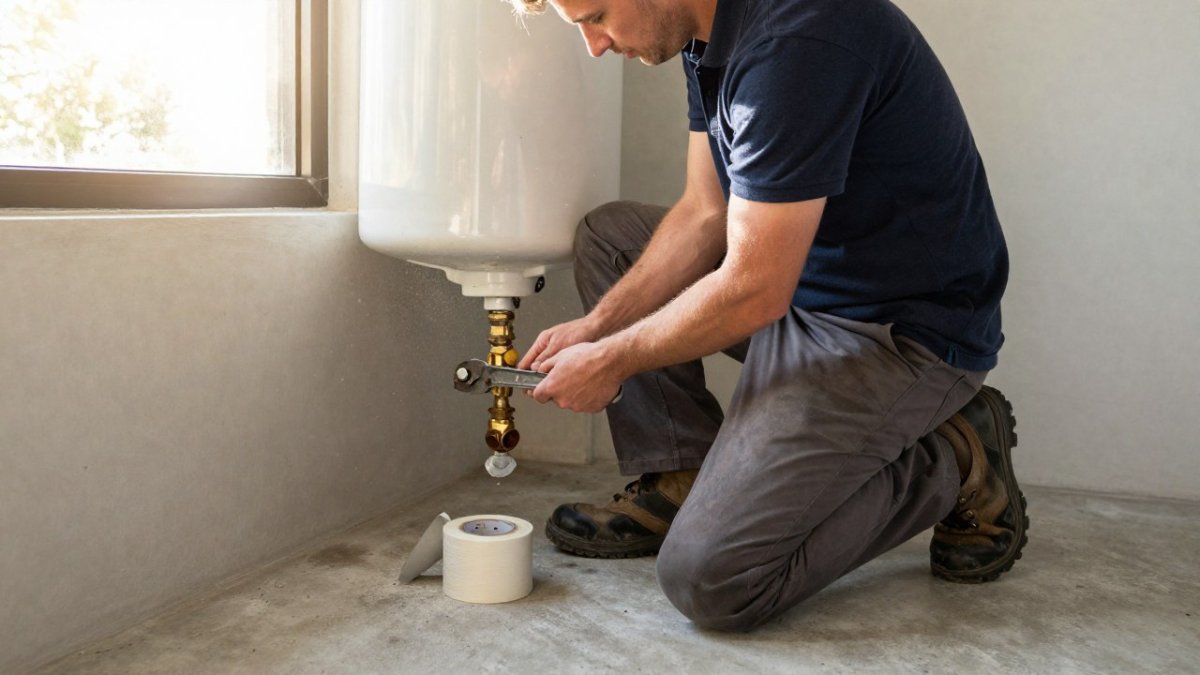
Plumbing Insurance Coverage for Homeowners in Australia
Last Updated: November 18, 2026
Quick Summary
Plumbing insurance coverage for homeowners in Australia usually protects damage from a sudden, accidental water escape, but often excludes the cost of repairing the failed pipe itself. Gradual leaks, seepage and poor maintenance are commonly excluded, so check your Product Disclosure Statement for the exact wording.
- Sudden, accidental leaks are more likely to be covered than slow leaks.
- Repairing the failed pipe is often excluded as maintenance or wear and tear.
- Check your excess, sum insured and water-damage sub-limits before you need to claim.
- Turn off the water and photograph the damage before any clean-up begins.
- Notify your insurer within 24-48 hours with photos, timeline and plumber's report.
Table of Contents
- Sudden Burst Pipes Versus Gradual Leaks: What Is Usually Covered
- Home Insurance Burst Pipe Cover and Water Damage Claims
- What to Do After a Burst Pipe, Step by Step
- Frequently Asked Questions
Water damage is one of the most common home insurance claims, and most homeowners only learn what their policy covers after a leak. This guide explains plumbing insurance coverage in plain terms. Home insurance in Australia often covers sudden water damage but usually not the cost of fixing the failed pipe. Read your own Product Disclosure Statement for exact wording.
Plumbing insurance coverage depends on the cause of the leak, how quickly it was found, and what your policy says. Here is what to keep in mind:
- Sudden, accidental leaks are more likely to be covered
- Slow leaks, seepage and poor maintenance are often excluded
- Repairing the pipe is usually separate from repairing the damage it caused
Sudden Burst Pipes Versus Gradual Leaks: What Is Usually Covered
Most Australian home building and contents policies draw the same line: damage from a sudden, accidental escape of water is more likely covered, while damage from a leak seeping over time is more likely excluded. The only reliable test is your own Product Disclosure Statement (PDS) and policy schedule.
Sudden events versus gradual deterioration
- Sudden and accidental: a pipe bursts under the sink and water spreads across the kitchen floor in an hour, the classic covered scenario, subject to your excess and any water-damage sub-limit.
- Gradual: a joint behind a wall seeps for months, the timber softens and mould appears. Many policies exclude gradual leakage, seepage or infiltration, and some exclude resulting mould.
- Wear and tear: a corroded pipe is generally treated as maintenance, not an insured event; fixing the failed pipe itself is commonly excluded even when the resulting damage is covered.
The pipe versus the damage it caused
A burst-pipe claim usually has two cost components, and they are treated differently:
- Repairing the failed pipe or fixture, commonly excluded as maintenance or wear and tear, even when the escape was sudden.
- Repairing the resulting damage, water-damaged plasterboard, flooring, cabinetry and contents are more likely covered if the cause was a sudden, accidental escape.
A common pattern is that the insurer pays to dry out and reinstate the room but not to replace the pipe that split.
Excesses, limits and sub-limits
Even when a claim is accepted, the amount you receive is shaped by several policy settings you should locate before you need them:
- Excess: the amount you pay towards each claim; many policies have a standard excess plus a higher one for water-damage events.
- Sum insured or limits: building and contents cover usually have separate limits, and some policies cap the total payable for water damage.
- Sub-limits: specific caps often apply to carpets, temporary accommodation, or retaining walls and fences.
These figures vary by insurer and policy, so read the schedule rather than assuming a universal amount.
Strata, landlords and shared pipes
Who claims depends on where the pipe sits and who owns it:
- Strata apartments: the owners corporation usually insures common property and the building, while lot owners insure contents and improvements. A pipe serving only your lot may fall on one side of that line; a pipe serving multiple lots usually falls on the other. Check your by-laws and the certificate of currency.
- Landlords: a landlord's building policy typically responds to the structure, while a tenant's contents policy responds to their belongings. If you rent, tell your landlord and insurer promptly.
- Shared pipes between neighbours: responsibility can depend on where the boundary and connection point sit. Your council or water authority can confirm the connection point, and your insurer can advise who should lodge the claim.
Scenarios that separate covered damage from excluded repairs
- Covered damage, excluded pipe: a sudden burst under the laundry sink soaks the floor and skirting; the insurer may pay to dry and reinstate the room but not replace the split pipe.
- Excluded altogether: a slow drip under the bathroom floor is noticed only when the timber rots; the long-running leak and resulting damage are commonly excluded as gradual deterioration.
- Mixed: a failed flexible hose under the fridge floods the kitchen; floor and cabinet damage may be covered, but the hose itself is usually treated as maintenance.
Watch out: if you notice a leak and delay reporting it or arranging a repair, the insurer may treat later damage as failure to mitigate, which can reduce or defeat the claim. Act as soon as you become aware.
Home Insurance Burst Pipe Cover and Water Damage Claims
A burst pipe claim usually has two parts: damage to your home and belongings, often covered if the cause was sudden, and the cost of repairing the failed pipe itself, commonly excluded. Some policies also set excesses, limits or sub-limits on water damage, so check these before you claim.
Keep photos, receipts and a plumber's report. These help show when the damage happened and what caused it.
What to Do After a Burst Pipe, Step by Step
The order of actions matters, because insurers assess whether you took reasonable steps to prevent further damage and whether the evidence supports the cause and timing of the loss. This is a practical checklist, not legal advice, and your policy wording always prevails.
1. Make the property safe (first hour)
- Turn off the water at the main isolation valve; in many Australian homes it sits near the water meter at the front boundary.
- Switch off power to affected areas at the switchboard if water is near electrical points, and do not touch wet switches or appliances.
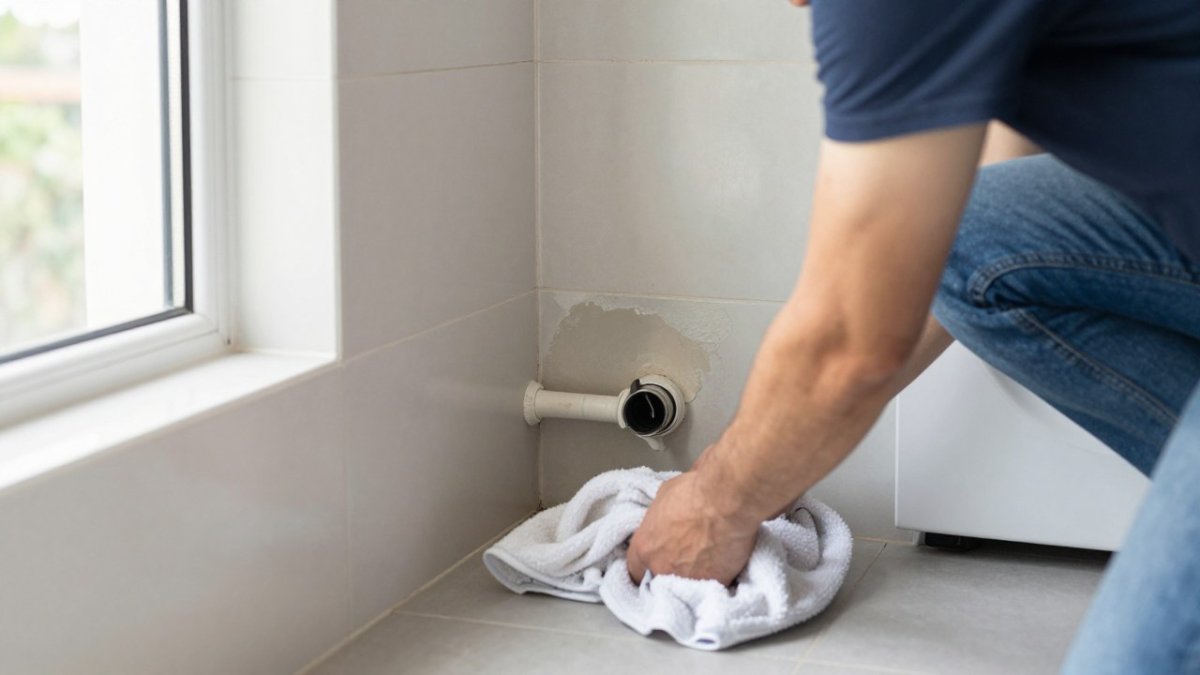
- Stop further damage by moving furniture, lifting rugs and placing towels or buckets. Do not pull up flooring or cut into walls before photographing the scene.
2. Document before you clean (first hour)
- Photograph and video everything before clean-up: the leak source, the spread of water, damaged belongings, and serial or model plates of affected appliances.
- Keep a written log of when you noticed the leak, what you did, and who you spoke to; a simple timeline often separates a smooth claim from a disputed one.
- Keep damaged items where practical until the assessor has seen them.
3. Arrange emergency make-safe work (same day)
- Call a licensed plumber to stop the leak and make the pipe safe.
- Ask before authorising work: the make-safe cost and the repair cost.
- Keep every invoice and receipt. Emergency make-safe costs are often recoverable where the event is covered, but only with documentation.
Watch out: authorising a full repair before your insurer assesses the damage can leave you out of pocket for the portion the policy would not have covered. Make safe first, then discuss permanent repairs with the assessor.
4. Notify your insurer promptly (within 24-48 hours)
- Contact your insurer as soon as the property is safe and the leak is stopped.
- Have ready: your policy number, the date and time you noticed the leak, photos and video, the plumber's report and invoice, and a list of damaged items with estimates.
- Ask what happens next: who the assessor will be, when they will attend, whether you need quotes, and whether the insurer has a preferred repairer network.
5. Manage the claim through to decision
-
Keep the assessor informed of any change, including further damage or additional repairs.
-
Do not finalise repairs until the insurer confirms what is covered, unless the work is emergency make-safe.
-
If you disagree, use the insurer's internal dispute resolution first. If unresolved, the Australian Financial Complaints Authority (AFCA) provides free, independent dispute resolution for consumers within its monetary and time limits, set out on its website.
6. Prevent a repeat
- Insulate exposed pipes in cold areas and roof spaces, and fix dripping taps and hoses promptly.
- Check flexible hoses on washing machines, dishwashers and fridges; they are a common failure point and inexpensive to replace.
- Know your isolation valve and test it occasionally so it turns freely in an emergency.
If you are in Ballina, Lismore or Byron Bay and need urgent help, book a Hot Water Service or book same day plumbing help with our team. You can also check hot water repairs in Ballina.
For general guidance on home insurance in Australia, see Insurance Council of Australia home insurance guide.
The steps below summarise the order of actions after a burst pipe, with the timing the article gives for each.
| Step | What to do | Timing |
|---|---|---|
| 1. Make the property safe | Turn off the water at the main isolation valve; switch off power to affected areas | First hour |
| 2. Document before you clean | Photograph and video the scene, damaged belongings and appliance plates; keep a written log | First hour, before clean-up |
| 3. Arrange make-safe work | Call a licensed plumber; ask about make-safe and repair costs before authorising work | Same day |
| 4. Notify your insurer | Contact insurer with policy number, timeline, photos, plumber's report and damaged items list | Within 24-48 hours |
| 5. Manage the claim | Keep assessor informed; do not finalise repairs until cover is confirmed | Until decision |
| 6. Prevent a repeat | Insulate exposed pipes; check flexible hoses; know and test the isolation valve | Ongoing |
Need a licensed plumber in the Northern Rivers? Northern Rivers Hot Water has been locally owned and operated since 2004, with same-day emergency response across the region.
Frequently Asked Questions
Does home insurance cover plumbing problems in Australia?
Many Australian home insurance policies cover sudden and accidental damage caused by a burst or overflowing pipe, but they usually do not pay to fix the failed pipe, fitting or drain itself. Gradual leaks, seepage, wear and tear and lack of maintenance are commonly excluded. Read your Product Disclosure Statement and policy wording carefully, because cover, excesses and sub-limits differ between insurers and policies. If you are unsure whether a particular repair is covered, ask your insurer to confirm in writing before work begins.
Are burst pipes covered by home insurance?
A sudden burst pipe is generally the kind of event home insurance is designed to cover, including resulting damage to the building and contents. The repair of the pipe itself is often excluded, so you may need to pay for that part yourself. Keep photos, plumber invoices and a record of the time the damage was discovered. Contact your insurer promptly, as most policies require notice within a set period, and check your excess before you make a claim.
Does home insurance cover water damage caused by a slow leak?
Slow or long-running leaks are frequently excluded because insurers treat them as gradual damage or a maintenance issue. Some policies cover a leak only if the damage was sudden and accidental and you took reasonable steps to prevent further damage once you found it. Ask your insurer exactly how gradual damage is defined in your policy wording, and act quickly on any leak you notice to limit what could be declined.

Need help with your hot water system?
Call Northern Rivers Hot Water for a free, no-obligation quote. We service Lismore, Ballina, Byron Bay, Casino and all surrounding areas.
0472 580 441