How to Stop Hot Water Going Cold Mid-Shower
Last Updated: November 4, 2026
Quick Summary
A hot water cold shower usually happens because the stored hot water has run out, a heating part has failed, a shower valve is worn, water pressure has shifted, or the system is undersized for your household. A sudden drop mid-shower points to a valve or pressure issue, while gradual cooling means your stored hot water is running out.
- Run a hot basin tap while the shower runs to tell a shower fault from a whole-house problem.
- A standard shower uses about 9 litres per minute, so a 125-litre tank holds roughly 13 minutes of hot water.
- Never open the cover of a gas or electric heater or adjust the tempering valve yourself.
- Warning signs of failure include rusty water, strange noises, pooling water and rising power bills.
- Northern Rivers Hot Water holds NSW Plumbing Licence 230095C and offers same-day emergency repairs.
Table of Contents
- Why Your Hot Water Turns Cold Halfway Through a Shower
- Start With the Symptom: A Diagnostic Path for Hot Water Cold Shower Problems
- Tank, Tankless and Boiler Systems Fail Differently
- Signs Your Hot Water System Is Failing
- How Long Does Hot Water System Repair Take?
- The Cost of Hot Water System Repair in Australia
- Book a Same-Day Hot Water Diagnosis
- Frequently Asked Questions
Why Your Hot Water Turns Cold Halfway Through a Shower
If your hot water turns cold halfway through a shower, the cause is usually one of five things: the stored hot water has run out, a heating part has failed, a shower valve is worn, water pressure has shifted, or the system itself is undersized for your household. This guide from Northern Rivers Hot Water walks you through each one.
Most people blame the hot water system straight away. That is often wrong. A worn shower cartridge can cause the same sudden chill even when the heater is working fine.
Below, we show you how to narrow it down safely, what each symptom points to, and when to stop tinkering and call a licensed plumber.
Start With the Symptom: A Diagnostic Path for Hot Water Cold Shower Problems
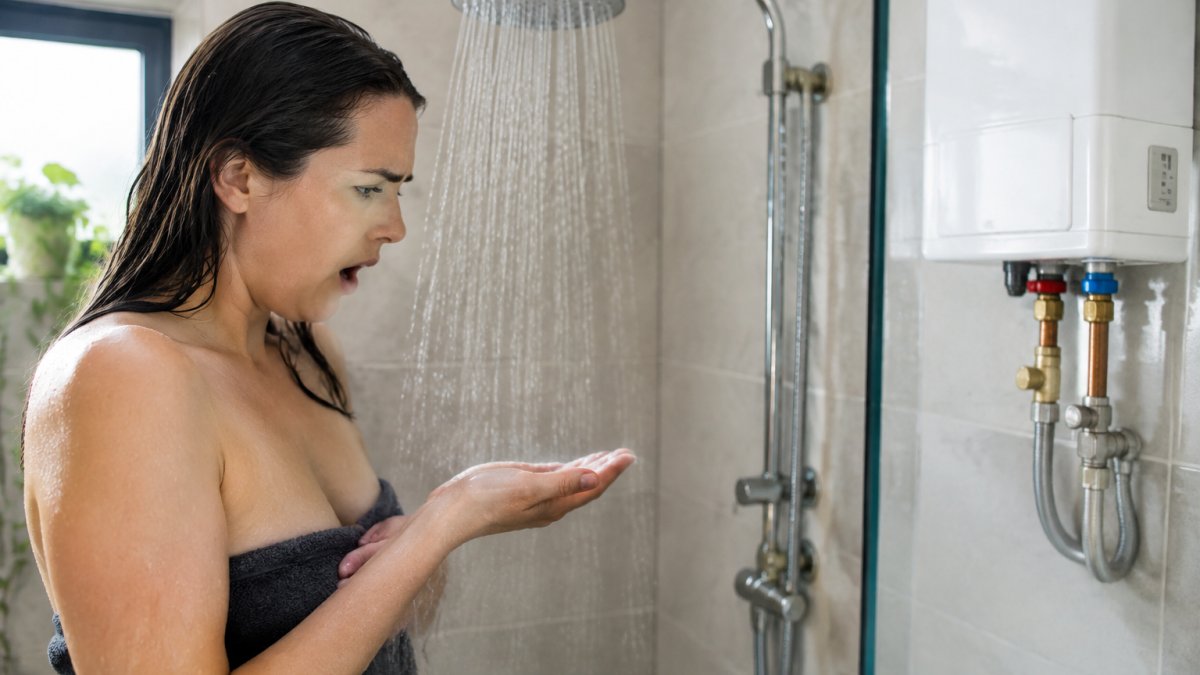
The fastest way to solve a hot water cold shower problem is to match the symptom to a cause. A sudden drop points to a different fault than a slow fade, so watch how the cold arrives before you touch anything. Use the observations below to narrow down whether the issue is shower-specific or affects your whole hot-water supply.
Sudden Drop vs Gradual Cooling
A sudden temperature drop mid-shower usually means a valve or pressure issue. A gradual cooling over several minutes usually means your stored hot water is running out.
- Sudden drop: shower cartridge, thermostatic shower valve, or another tap being used
- Gradual cooling: storage tank emptying, thermostat set too low, or a weak heating element
- Cold burst at the start: common in tankless systems as they restart
That last one has a name. The cold water sandwich effect happens when you turn a tap off and on again, and the system sends a burst of cold water before it fires back up (Call Element on tankless cold water bursts).
Distinguishing a Shower Fault from a Whole-House Problem
Before you assume the heater is at fault, run a simple test: turn on a hot tap at a nearby basin while the shower is running. If the basin tap also runs cold, the problem is likely with your hot-water system or supply. If the basin stays hot while the shower goes cold, the fault is probably in the shower valve or its cartridge.
A common pattern is for a worn thermostatic cartridge to cause temperature swings that mimic a failing heater. If only one shower in the house is affected, suspect the valve first.
Safe DIY Checks and Where to Stop
You can check a few things yourself without touching gas or electrical parts.
- Run the shower alone for five minutes. Does it still go cold?
- Turn on a nearby tap while the shower runs. Note any change.
- Check the thermostat setting on the storage tank (if accessible and clearly labelled).
- Look for water pooling or rust around the unit.
- Note whether the cooling is sudden or gradual.
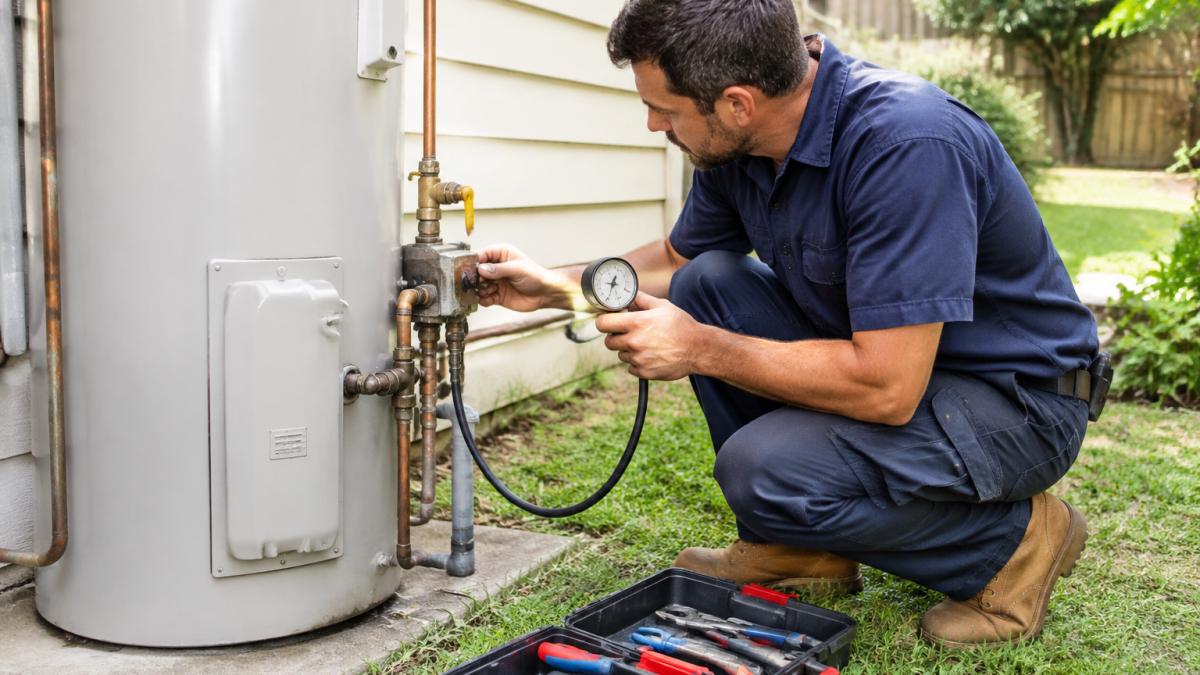
Watch out: never open the cover of a gas or electric heater, and never adjust the tempering valve yourself. Those parts carry real risk and belong to a licensed plumber. If the DIY checks point to the heater rather than the shower, it is time to book a hot water fault diagnosis.
Match what you notice to the likely cause before you touch anything.
| Symptom | Likely cause |
|---|---|
| Sudden drop mid-shower | Shower cartridge, thermostatic valve, or another tap in use |
| Gradual cooling over several minutes | Storage tank emptying, thermostat set too low, weak heating element |
| Cold burst at the start | Common in tankless systems as they restart |
| Basin tap also runs cold | Hot-water system or supply problem |
| Basin stays hot, shower goes cold | Shower valve or cartridge fault |
| Only one shower affected | Suspect the valve first |
Tank, Tankless and Boiler Systems Fail Differently
Each system type fails in its own way, so the fix depends on what you have. A storage tank runs out; a tankless unit struggles with pressure and restart delays; a boiler can lose temperature through a failing diverter or mixing valve. Understanding your system helps you ask the right questions and avoid unnecessary repairs.
Storage Tank Systems
Storage tanks hold a set volume of hot water. Once it is used, you wait for recovery. Big showers, multiple bathrooms, or a long bath can empty a tank faster than it refills. Recovery time depends on tank size, the power of the heating element or burner, and the incoming water temperature. If your hot water lasts less than it used to, sediment buildup or a failing element may be reducing capacity.
Tankless Systems
Tankless systems heat on demand. They rarely run out, but they can cool down when flow rate drops or when two outlets compete for supply. A tankless unit has a minimum flow threshold; if the shower flow falls below it, the heater may shut off briefly, causing a cold burst. Simultaneous use of a washing machine or another tap can also reduce flow to the shower. The cold water sandwich effect is common here.
Boilers and Combi Systems
Boilers and combi systems rely on valves to blend hot and cold. Worn or damaged mixing valves fail to blend properly, which causes sudden temperature swings (The Stuff of Success on mixing valve wear). A diverter valve that sticks can also send hot water to the radiators instead of the shower. If your boiler is also used for heating, check whether the issue occurs only when the heating is on.
Estimating Recovery Time and Capacity
To estimate how long your hot water should last, note the tank size (in litres) and the flow rate of your shower (a standard shower uses about 9 litres per minute). A 125-litre tank holds roughly 13 minutes of hot water if fully heated, but cold water mixing at the tap reduces that. If your shower goes cold well before that estimate, the fault is likely not capacity alone.
If you are unsure which category your unit falls into, our hot water system services cover gas, electric and heat pump systems across the region.
Signs Your Hot Water System Is Failing
Warning signs your hot water system is failing include rusty or cloudy water, strange noises, water pooling near the unit, rising power bills, and hot water that no longer lasts as long as it used to.
Catch these early and you may only need a repair. Ignore them and you are looking at a replacement.
- Rust-coloured water from the hot tap
- Banging, rumbling or popping sounds
- Water pooling around the base
- Hot water running out sooner than it used to
- The unit is older than its expected lifespan
Sediment buildup and mineral deposits are common culprits behind both noise and reduced capacity. If several of these signs stack up, read our guide to the five signs your hot water system needs replacing before you decide between repair and replacement. It also helps to know how long a hot water system should last so you can judge whether yours is near the end.
How Long Does Hot Water System Repair Take?
How long a repair takes depends on the fault and whether parts need ordering. For a specific estimate, contact Northern Rivers Hot Water for a quote.
The real variable is diagnosis. A clear fault means a fast fix. An intermittent issue that only shows up under load takes longer to pin down.
For urgent cases, our emergency hot water callout is built around getting someone to you the same day.
The Cost of Hot Water System Repair in Australia
The cost of hot water system repair depends on the fault, the parts needed, and the system type. For current prices or a quote, contact Northern Rivers Hot Water.
What drives the price:
- The part: cartridges and thermostats cost far less than elements, burners or valves
- Access: a unit tucked into a tight cupboard takes longer than an outdoor one
- System type: gas, electric and heat pump systems each need different parts
- Urgency: after-hours callouts usually carry a premium
We give clear, upfront pricing before any work begins, so you know the number before we start. Ask for a quote and there is no call-out fee.
Book a Same-Day Hot Water Diagnosis
A cold shower is a small problem until it becomes a burst tank or a failed element. The sooner you pin down the cause, the cheaper the fix tends to be.
At Northern Rivers Hot Water, we have over 20 years of local experience and handle all major brands, including Rinnai, Rheem and Dux. We offer same-day emergency repairs, upfront pricing before work starts, and licensed, insured plumbers. We are locally owned and operated, hold NSW Plumbing Licence 230095C, and back every job with honest advice.
Get started with Northern Rivers Hot Water and get your hot water back to a steady temperature today.
Frequently Asked Questions
Why does my hot water run out so quickly in the shower?
Usually it is stored hot water being used up faster than the system can recover it. A tank that is undersized for the household, a shower flowing more litres per minute than expected, or several people showering back to back will all drain a cylinder before the thermostat and heating element can catch up. Sediment buildup at the bottom of the tank also reduces usable capacity, so the same shower duration empties it sooner than it used to.
Why does my shower go cold when someone else uses the tap?
This points to a pressure problem rather than a heating fault. When another tap, washing machine or dishwasher opens, cold-water pressure drops at the shower's mixing valve, and the valve responds by letting less hot water through. A pressure-balancing or thermostatic shower valve is meant to hold the temperature steady, but a worn cartridge or a degraded mixing valve cannot compensate, so the shower temperature drops. A licensed plumber can test pressure at the outlet and check the valve.
Can sediment buildup in the tank cause cold showers?
Yes. Mineral deposits settle on the bottom of a storage tank and insulate the water from the heating element or burner, so the system heats more slowly and holds less genuinely hot water. You may notice a rumbling or popping sound as trapped water boils under the sediment. Flushing the tank is part of routine maintenance, and if the buildup is heavy or the tank is old, replacement is often the better value.
How do I know if it is the water heater or the shower itself?
Run hot water at a different tap, such as the kitchen sink, for several minutes. If it stays hot, the heater is working and the fault is in the shower valve, cartridge or mixing valve. If the kitchen tap also cools, the problem is upstream at the heater, its thermostat, heating element or supply. That single test separates most hot water cold shower cases before anyone picks up a tool.

Need help with your hot water system?
Call Northern Rivers Hot Water for a free, no-obligation quote. We service Lismore, Ballina, Byron Bay, Casino and all surrounding areas.
0472 580 441