
5 Reasons Your Hot Water Turned Brown Overnight
Quick Summary
If only your hot tap runs brown, the cause is almost always inside your hot water system, where rust forms on the tank and sediment settles at the bottom. Cold water bypasses the tank, so it stays clear. Brown hot water is usually not an emergency, but avoid drinking it until it runs clear.
- Check whether only the hot tap is discoloured or both taps run brown.
- If both taps run brown, contact your water supplier.
- Do not ignore brown water that lasts for days, as persistent rust often means tank corrosion.
- Stop using the hot tap if the water smells strongly or tastes metallic.
- Flush the tank by draining it through the base valve until the water runs clear.
Table of Contents
- Why Your Hot Water Is Brown but Your Cold Water Is Clear
- Is Brown Hot Water Safe to Use?
- How to Flush a Hot Water System and Check for Rusty Symptoms
- Frequently Asked Questions
Why Your Hot Water Is Brown but Your Cold Water Is Clear
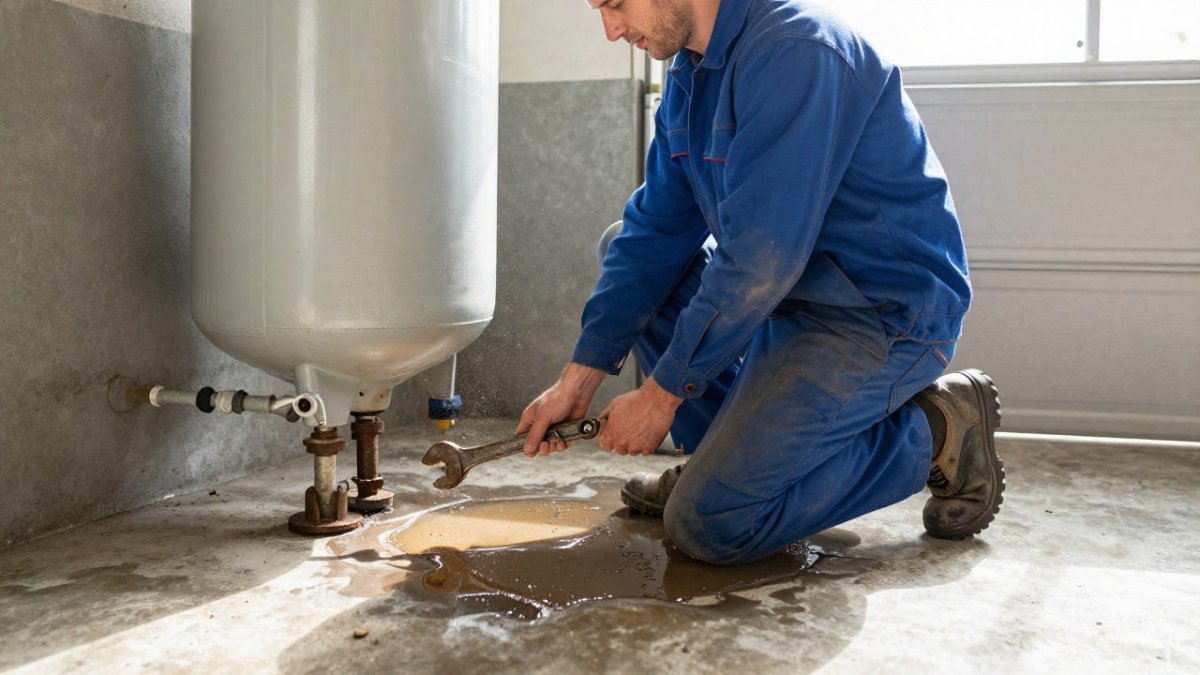
If only the hot tap runs brown, the problem almost always sits inside your hot water system. Cold water bypasses the tank, so it stays clear. Rust forms on the inside of the tank over time, and sediment settles at the bottom. A sudden change, such as a shift in water flow, can stir that material up.
Check which taps are affected. If only the hot tap runs brown, the problem is likely your system. If both hot and cold run brown, the cause may be the public supply, so contact your water supplier.
- Likely hot water system issue: Only the hot tap is discoloured.
- Possible supply issue: Both taps are discoloured, or the problem affects the whole street.
Watch out: do not ignore brown water that lasts for days. Persistent rust often means the tank is corroding.
Is Brown Hot Water Safe to Use?
Brown hot water is usually not a health emergency, but avoid drinking it or using it for cooking or bathing babies until it runs clear.
Stop using the hot tap if the water smells strongly, tastes metallic, or shows no sign of clearing. Those signs can point to a more serious tank problem that needs a plumber.
How to Flush a Hot Water System and Check for Rusty Symptoms
Flushing removes loose sediment from the tank. Follow these steps:
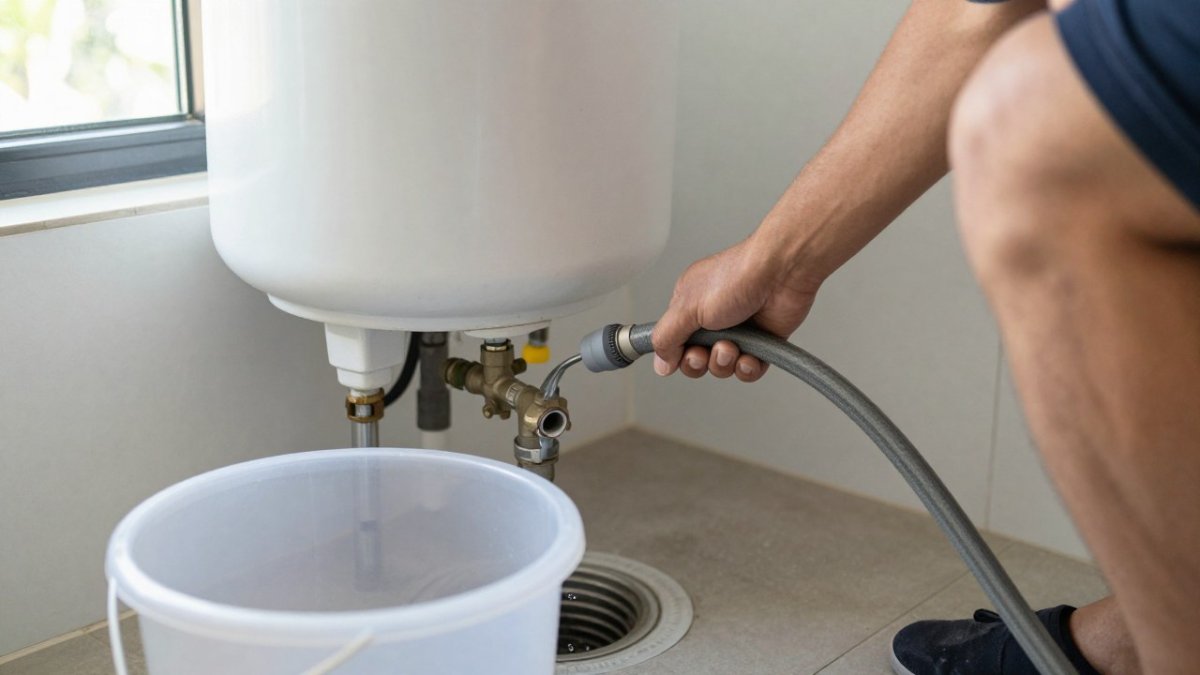
- Turn off the power or gas supply to the heater.
- Connect a garden hose to the drain valve at the base of the tank.
- Run the hose to a drain or outside area.
- Open the drain valve and let water run until it clears.
- Close the valve, remove the hose, and turn the power or gas back on.
If the water stays brown after flushing, or the tank shows rust around the base, the system may be near the end of its life. For electric systems, you can book a service or repair if the discolouration persists. For LPG systems, you can book a service or repair if the discolouration persists. You can book same-day hot water repairs and servicing across the Northern Rivers. Call a licensed plumber to check it.
The flushing steps below summarise how to clear loose sediment from the tank.
| Step | What to do | Time or frequency |
|---|---|---|
| 1 | Turn off the power or gas supply to the heater | Before flushing |
| 2 | Connect a garden hose to the drain valve at the tank base | Before flushing |
| 3 | Run the hose to a drain or outside area | Before flushing |
| 4 | Open the drain valve and let water run until it clears | Until water runs clear |
| 5 | Close the valve, remove the hose, turn power or gas back on | After flushing |
Frequently Asked Questions
Why has my hot water suddenly turned brown?
A sudden change is most often caused by disturbance in the public water mains, such as nearby pipe work or a burst, which stirs up sediment. It can also come from rust or sediment inside your hot water tank, which is stirred up when demand changes. Run the cold tap first. If the cold water is clear and only the hot water is brown, the problem sits within your hot water system or its pipes rather than the street supply. Brown water that persists for more than a day or two warrants a call to a licensed plumber.
Is it safe to shower or wash dishes in brown hot water?
Brown water usually means rust or sediment rather than contamination, but you should still avoid drinking it, cooking with it, or using it to make baby formula until it clears. Showering and washing clothes are generally acceptable in the short term, though rust can stain fabrics and fixtures. Stop using the hot tap, let the cold water run clear, and avoid the hot water until the colour is gone. If the water smells strange or the discolouration is accompanied by a change in taste, contact your water supplier.
How do I flush a hot water system with discoloured water?
Turn off the power or gas to the unit first, then close the cold water inlet valve. Attach a garden hose to the drain valve at the base of the tank and run it to a drain or outside. Open the drain valve and then open a hot tap in the house to let air in. Let the tank drain until the water runs clear, then close the drain valve, remove the hose, reopen the cold inlet and restore power or gas. Run the hot taps until the water runs clear. If the water stays brown after flushing, call a licensed plumber.

Need help with your hot water system?
Call Northern Rivers Hot Water for a free, no-obligation quote. We service Lismore, Ballina, Byron Bay, Casino and all surrounding areas.
0472 580 441